

About me
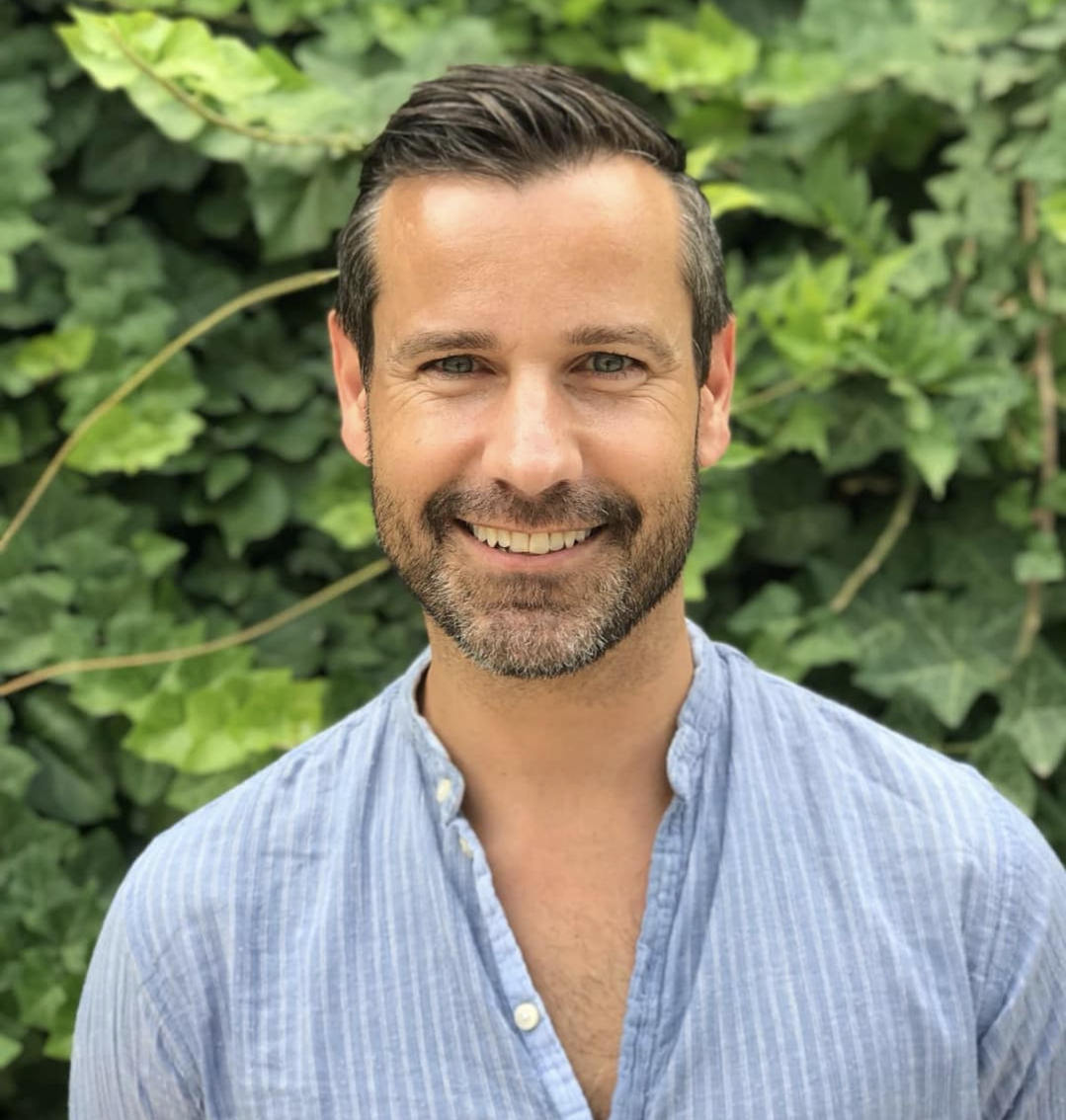
From the age of 12, I’ve been living with depression. I was an exceptionally happy child who spent a lot of time outdoors and was very extroverted. That changed completely. I’ll leave out the reason or trigger behind it here, but the fact is that I have lived with depression for almost 40 years.
I see myself as a functioning depressive, because I managed to finish high school, complete a university of applied sciences degree, step into the spotlight in many of the jobs and careers I’ve had, and even perform on stage as an actor. I’ve lived in six different countries, so I don’t shy away from the unknown or from challenging situations because of my depression.
But it was hard. Nothing came easily, and I went through it all on my own.
It wasn’t until 2004, at the age of 29, that I finally decided I was worthy of receiving help for my mental health. I started therapy, and after a few sessions my therapist referred me to a psychiatrist. When I walked out of the psychiatrist’s office with a diagnosis in hand, I yelled out in relief and joy the moment I hit the street: I wasn’t crazy — I was ill!
I was so relieved that there was finally proof that something real was going on, that I ‘came out’ to everyone as bipolar. I wanted to make it something we could talk about openly, to show that if even I could struggle with depression, anyone could — and that you can’t always see it just by looking at someone.


Bridging the Gap
Closing the waitlist distance.
I started taking medication and have tried many different meds and combinations over the years. I know how hard it is to slowly build up a medication, and how tough it is to taper off again. And if one more person comes to me with the “solution” that I should just exercise more or take some vitamins, I swear I’ll never trust anyone again.
All the experiences I’ve built up throughout my life — the good moments and the painful ones — have shaped me into who I am today. And who I am… I’m damn proud of.
Now I use my experience to help others. Sometimes simply by listening. Often by sharing parts of my own journey so we can find a path forward together — a path you might not be able to see on your own right now.
You don’t have to face this alone. I’m no longer doing it alone, and neither will you.
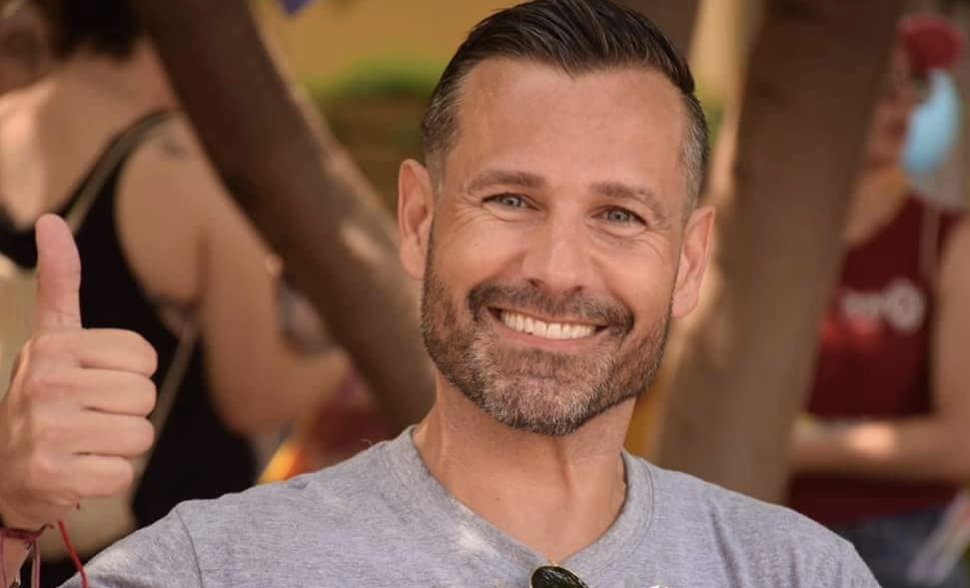


About Experience-Based Workers
Psychiatrist Jim van Os on Experience-Based Workers
Psychiatrist Jim van Os views experience-based workers as essential for a radical transformation of mental healthcare. He believes that their personal experiences, combined with scientific research, create a more human and holistic approach than traditional, diagnosis-driven methods. Van Os argues for a shift toward humanity, connection, and equality, and believes that the dominant “biomedical” evidence model should make room for the subjective experience of the person seeking help.
Key Insights from Jim van Os on Experience-Based Workers
Holistic approach:
Van Os considers experience-based workers an essential part of a holistic model that should replace traditional diagnostic and medication-focused methods.
Equality:
He emphasizes the importance of equal partnership between caregiver and client, where the understanding of the problem emerges through dialogue with the person seeking help and their environment — rather than being defined solely by the professional.
Critique of traditional mental healthcare:
Van Os is critical of the conventional mental healthcare system, where he believes too much emphasis is still placed on diagnoses and professional authority instead of the human experience.
Value of lived experience:
He highlights the added value of experience-based workers in conversations with professionals and stresses the need for a transformation in mental healthcare that breaks through current structures.
Personal experience:
The recovery journey of his own son — and the role experience-based workers played in it — further reinforced for Van Os how vital this role truly is.
Listen here to the NRC podcast Het Uur, with Pieter van der Wielen in conversation with Jim van Os